Dana Fischer · 27 September 2026
Temperature Fluctuations Reshape Algae Patterns While Influencing Dragonfly and Fish Interactions at Clear Pond
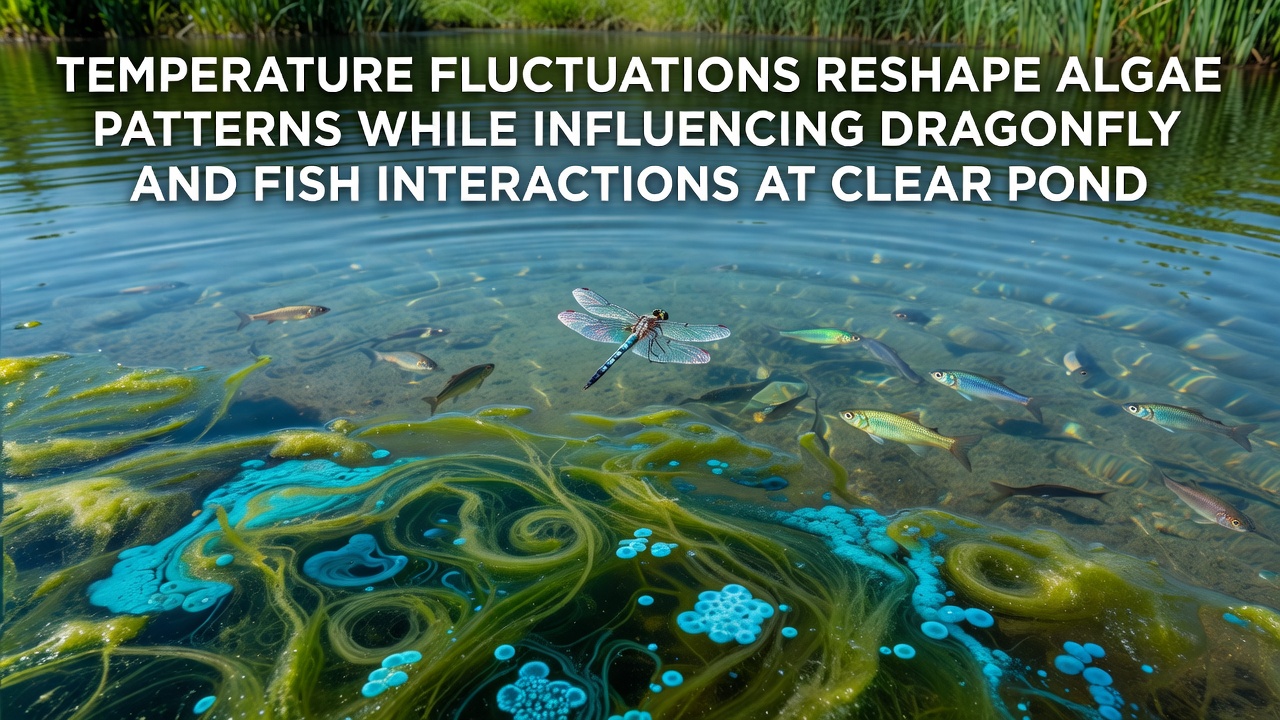
Clear Pond has experienced notable shifts in water temperatures over recent monitoring periods, and these changes have directly altered the distribution and density of algae populations across different zones of the water body. Researchers tracking the site note that warmer surface layers promote the growth of certain filamentous algae species while cooler bottom waters favor different microscopic forms, creating layered patterns that vary by depth and location throughout the pond basin.
Algae Distribution Changes Driven by Thermal Variations
Data collected at Clear Pond reveals that temperature swings of several degrees over short intervals correlate with blooms appearing in shallower areas during warmer stretches, whereas deeper sections see reduced algae coverage when cooler inflows mix the water column. Observers note these patterns emerge most clearly during transitional seasons, and the resulting algae mats influence light penetration and nutrient cycling in measurable ways. Studies from institutions like the University of Wisconsin Center for Limnology indicate similar dynamics occur in comparable freshwater systems, where thermal stratification sets the stage for these spatial rearrangements.
Dragonfly Populations Respond to Altered Habitats
Dragonfly larvae depend on specific algae structures for shelter and hunting grounds, so the reshaped patterns at Clear Pond have prompted adjustments in their distribution and activity levels. When algae clusters move toward the pond edges because of surface warming, dragonfly nymphs follow those resources, leading to higher concentrations in near-shore vegetation during peak temperature periods. Adults then select different perching sites accordingly, and this shift affects mating displays and territorial behaviors observed in field counts conducted through late summer.
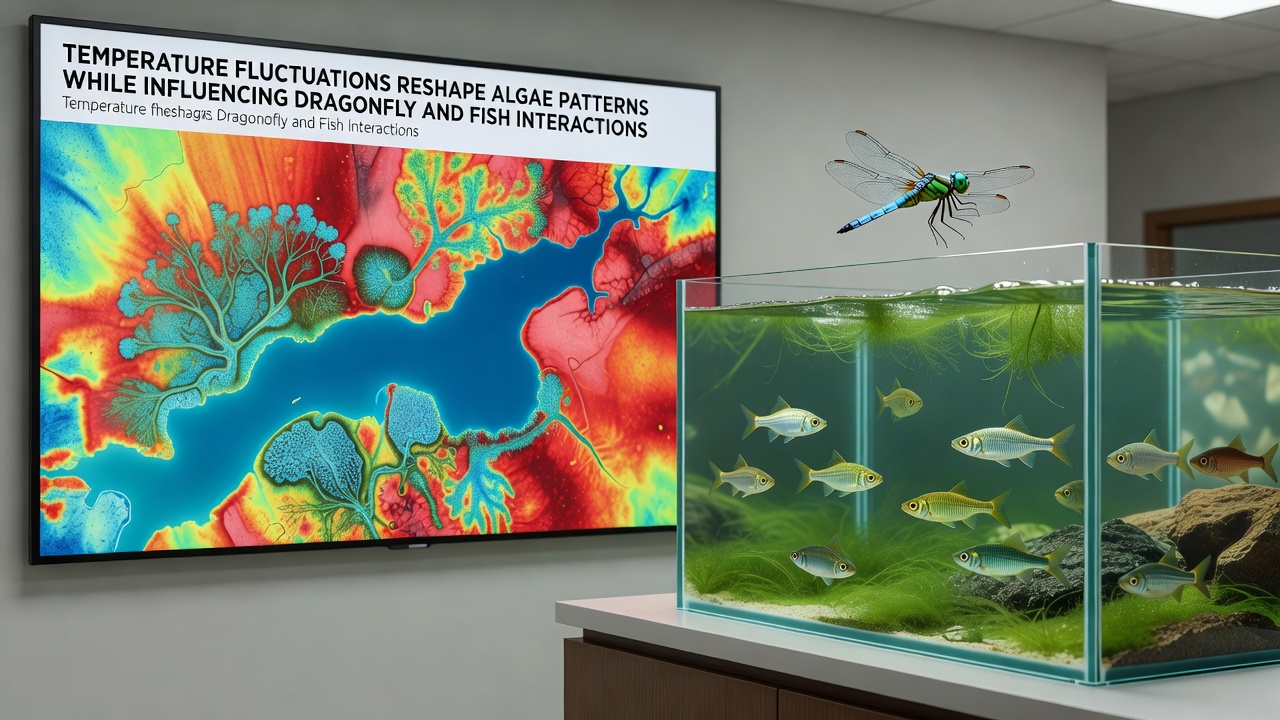
What's interesting here is how these insect movements tie back to the algae changes rather than temperature alone, and monitoring teams have documented increased dragonfly emergence rates in zones where algae density has risen most sharply. European Environment Agency reports on freshwater invertebrates highlight parallel responses in other temperate ponds, where thermal-driven habitat modifications prompt comparable behavioral adaptations.
Fish Interactions Shift Alongside Insect and Algae Adjustments
Fish species at Clear Pond, including bass and sunfish, alter their foraging routes when algae patterns change and dragonfly populations relocate, because prey availability moves with the new conditions. During periods of elevated surface temperatures in September 2026, tracking data showed fish concentrating in mid-depth areas where cooler water meets algae-rich layers, creating tighter schooling formations that increase encounter rates with dragonfly larvae. This results in modified predation pressure that further influences both insect survival and algae consumption rates across the pond.
Those who've studied these interactions point out that the connections form feedback loops, with fish activity stirring sediments and releasing nutrients that support additional algae growth in newly warmed spots. Canadian research from the University of British Columbia's Institute for the Oceans and Fisheries documents comparable three-way relationships in lake environments, where temperature acts as the initial driver but biological responses amplify the overall effects on community structure.
Monitoring Efforts and Broader Implications
Ongoing sensor networks at Clear Pond continue to log temperature profiles alongside biological surveys, and the combined datasets allow researchers to map how fluctuations propagate through the food web. Regular sampling shows that algae coverage can vary by up to 30 percent between adjacent monitoring stations when thermal gradients strengthen, while dragonfly and fish counts reflect those same spatial differences within days of the temperature shift. Such observations help clarify the mechanisms at work without requiring assumptions about long-term trends.
Additional studies from Australian universities have examined similar pond systems and found that consistent temperature recording paired with species inventories provides reliable indicators of ecological stability under variable conditions. These approaches support targeted management decisions based on real-time measurements rather than generalized models.
Conclusion
Clear Pond serves as a clear case study for how temperature fluctuations initiate changes in algae distribution that subsequently reshape dragonfly and fish interactions, and the documented patterns from recent monitoring periods illustrate these connections in detail. Continued data collection through established protocols will maintain an accurate record of these dynamics as conditions evolve.